
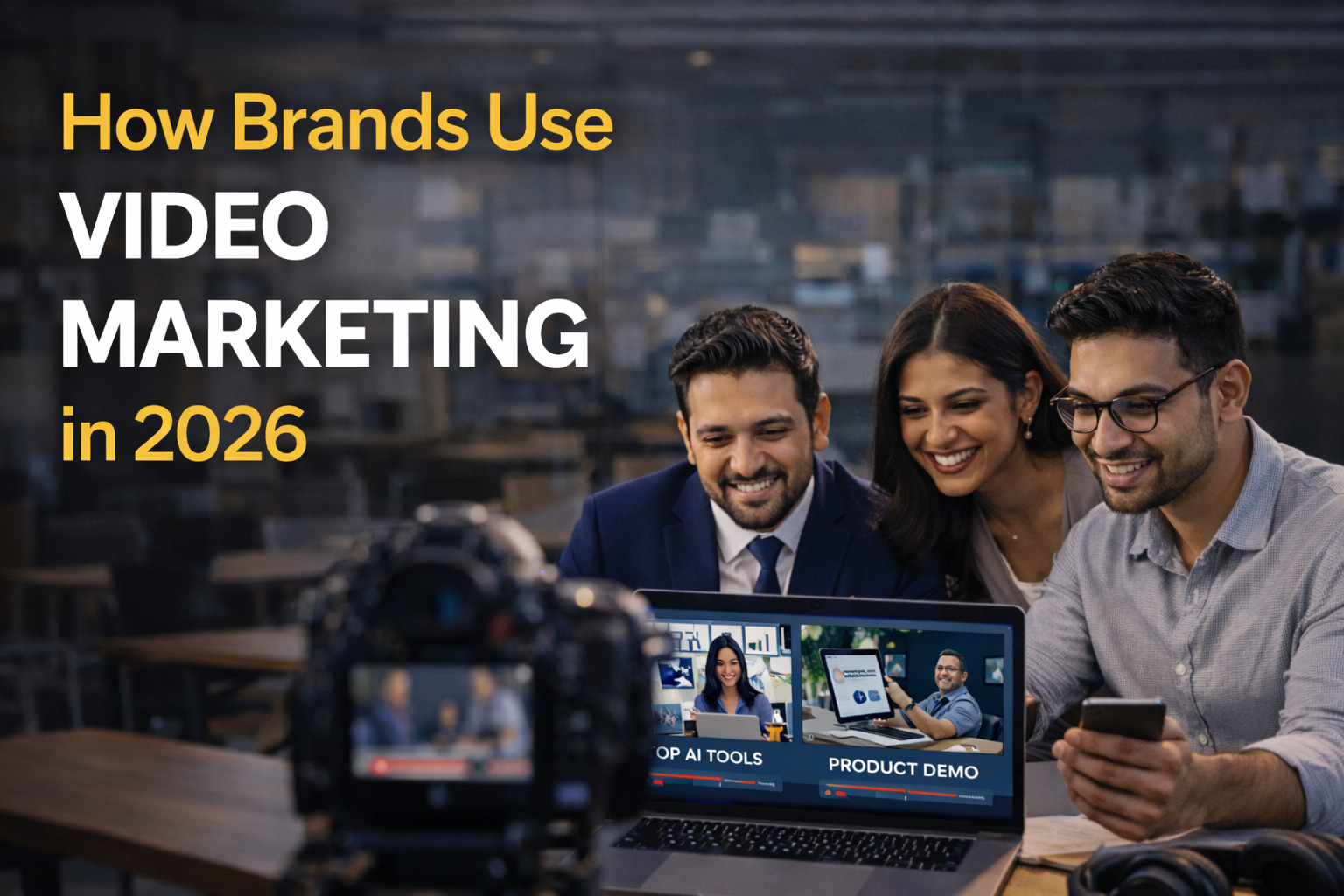
The Growing Power of Video in Modern Marketing
In 2026, video marketing has become one of the most powerful tools for brands to connect with audiences, build trust, and drive conversions. With the rise of short-form content, AI-driven personalization, and immersive formats, businesses are leveraging video across multiple platforms to stay competitive. Consumers now prefer watching videos over reading text, making it essential for brands to adopt a strong video-first strategy. From social media reels to long-form storytelling and live streaming, video content helps brands communicate messages faster, improve engagement, and increase ROI. This guide explains how brands are using video marketing in 2026, along with key specifications and strategies.
1. Types of Video Marketing Used by Brands
Brands in 2026 use a variety of video formats depending on their goals and audience.
Short-Form Videos
- Platforms: Instagram Reels, YouTube Shorts, TikTok
- Duration: 15–60 seconds
- Purpose: Quick engagement, brand awareness, viral reach
Long-Form Videos
- Platforms: YouTube, websites
- Duration: 5–30 minutes
- Purpose: Tutorials, storytelling, product demos
Live Streaming
- Platforms: Instagram Live, YouTube Live, LinkedIn Live
- Purpose: Real-time engagement, product launches, Q&A sessions
Explainer Videos
- Duration: 60–120 seconds
- Purpose: Simplify products/services for better understanding
User-Generated Content (UGC)
- Created by customers
- Builds authenticity and trust
2. Video Marketing Specifications & Strategy in 2026
To succeed, brands follow specific technical and strategic guidelines.
Technical Specifications:
- Resolution: 1080p (Full HD) minimum, 4K preferred
- Aspect Ratios:9:16 (vertical) for mobile-first platforms
- 16:9 (horizontal) for YouTube
- 1:1 (square) for social feeds
- File Formats: MP4, MOV
- Video Length:Short-form: under 60 seconds
- Ads: 6–15 seconds
- Captions: Mandatory for accessibility and silent viewing
Strategy Elements:
- AI Personalization: Tailored video ads based on user behavior
- Storytelling: Emotional connection through narratives
- Strong Hook (First 3 Seconds): Critical for retention
- Call-to-Action (CTA): Clear next step (buy, subscribe, visit)
- Multi-Platform Distribution: Same content optimized for different channels
3. How Brands Use Video to Drive Results
.Brand Awareness
Short videos help brands go viral and reach new audiences quickly.
.Engagement & Community Building
Interactive videos, polls, and live sessions increase audience participation.
.Lead Generation
Video ads and landing page videos improve conversion rates.
.Product Marketing
Demo videos and tutorials help customers understand products better.
.Customer Trust
Testimonials and behind-the-scenes videos build credibility.
.E-commerce Growth
Shoppable videos allow users to buy directly from video content.
1. Why is video marketing important in 2026?
Because audiences prefer visual content, and it delivers higher engagement and conversions.
2. What type of video performs best?
Short-form videos perform best for reach and engagement.
3. How long should marketing videos be?
Ideally 15–60 seconds for social media.
4. Do small businesses need video marketing?
Yes, it helps them compete with larger brands.
5. What is the cost of video marketing?
It can range from low-budget smartphone videos to high-end productions.
6. Is AI used in video marketing?
Yes, for editing, scripting, and personalization.
7. Which platform is best for video marketing?
Depends on audience—Instagram, YouTube, and TikTok are popular.
8. Do captions matter in videos?
Yes, many users watch videos without sound.
9. Can video marketing increase sales?
Yes, it significantly improves conversion rates.
10. What is a video marketing funnel?
It’s the use of videos at different stages—awareness, consideration, and decision.